Both stainless steel and ceramic fountains eliminate the plastic slime and odor problems. But they have distinct differences in noise, weight, cleaning, and durability. Here's the honest comparison.
Why You’re Choosing Between These Two
If you’ve already decided you don’t want a plastic fountain — because of slime, plastic taste, or repeated replacements — you’re in the right place. Both stainless steel and ceramic solve plastic’s core problems. The question is which material fits your specific situation better.
This isn’t a “which is best” question — it’s a compatibility question. The right answer depends on your cat’s behavior, your maintenance preferences, and your household setup.
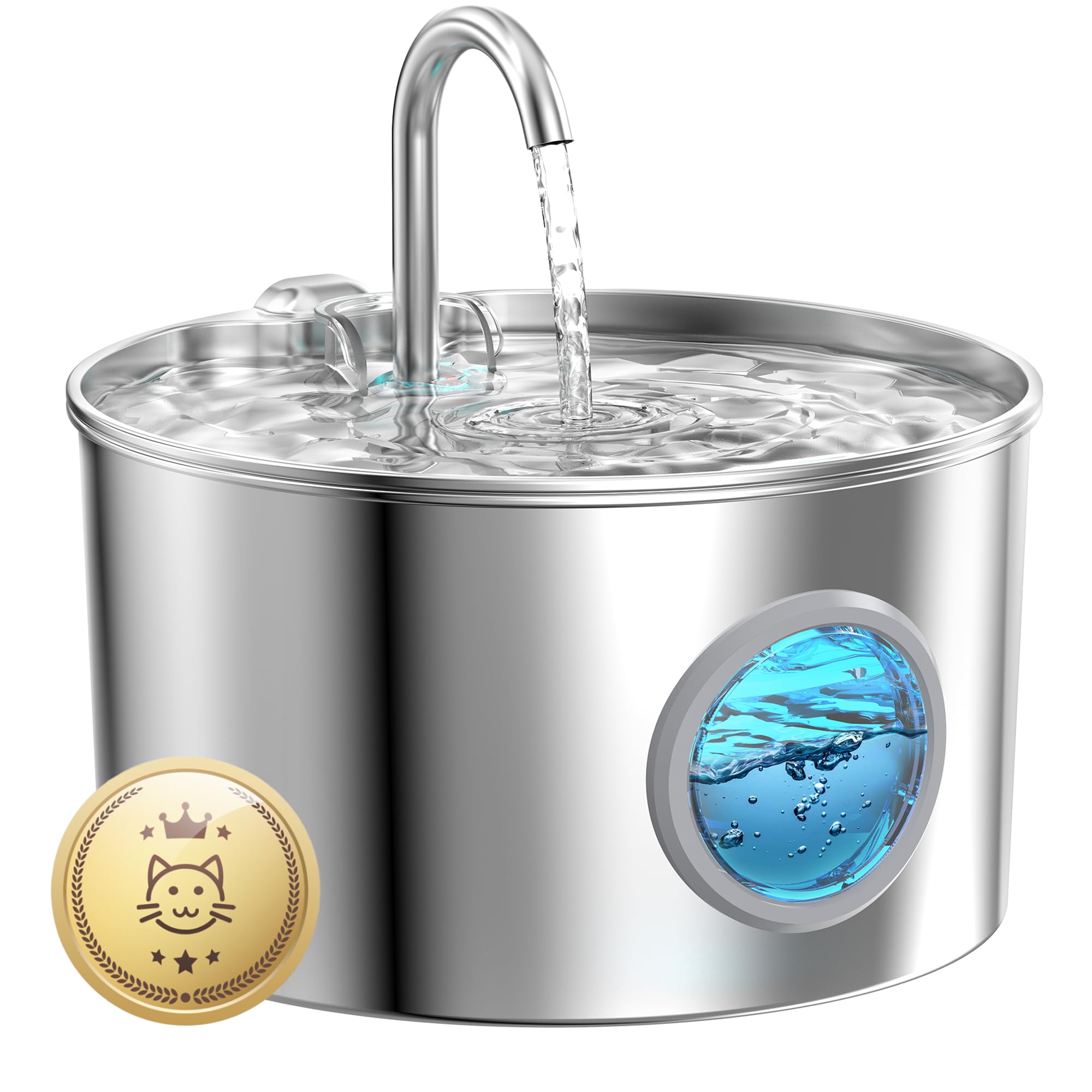
Cat Water Fountain Stainless Steel: 74oz/2.2L Cat Fountain for Drinking - Pet Water Fountain for Cats Inside - Quiet Cats Water Bowl Dispenser - Kitty Drinking Fountains - for Pets& Small Animals
The Core Difference
Stainless steel (Grade 304) is a manufactured, non-porous metal. It doesn’t absorb, doesn’t scratch under normal use, and is fully dishwasher-safe at high temperatures. It’s the material used in surgical instruments and food-service kitchens for the same reasons.
Ceramic (food-safe glazed) is a mineral-based material fired at high temperatures. The glaze creates a non-porous surface comparable to stainless. Ceramics often feel “cooler” to the touch, and many cats prefer the taste of water from ceramic due to the complete absence of any material-related flavor.
Side-by-Side Comparison
| Feature | Stainless Steel | Ceramic |
|---|---|---|
| Biofilm resistance | Excellent | Excellent |
| Taste neutrality | Very good | Excellent (slight edge) |
| Dishwasher safe | Yes (fully) | Varies — check glaze rating |
| Weight | Lighter | Heavier |
| Break risk | Very low | Moderate (drop risk) |
| Noise from motor | Slightly more resonant | Slightly damped |
| Scratch resistance | Excellent | Good (unglazed areas can scratch) |
| Cat taste acceptance | Very high | Highest |
| Availability | Widely available | More limited selection |
| Price range | $35–$120 | $40–$150 |
When Stainless Steel Is the Better Choice
Multi-cat households: Stainless handles heavier daily use, cleans faster, and is more durable against the physical stress of multiple cats interacting with the fountain throughout the day.
Cats with chin acne or skin sensitivities: Plastic causes chin acne in many cats due to porous surface bacteria. Stainless eliminates this. Ceramic does too, but stainless is more widely available in models with proven track records for this specific issue.
Owners who prefer dishwasher cleaning: Stainless steel is universally dishwasher-safe and handles repeated high-temperature cycles without any glazing concern. This matters practically — dishwasher cleaning is more consistent and hotter than hand washing.
Busy households with less time for daily cleaning: Stainless withstands slightly less frequent cleaning without significant biofilm escalation. Ceramic, particularly in models with unglazed internal channels, requires more diligent cleaning cadence.
See stainless steel fountain rankings
When Ceramic Is the Better Choice
Single picky drinkers: The marginal taste advantage of ceramic matters most for cats who are already reluctant drinkers or who reject new water sources easily. If your cat is highly taste-sensitive, ceramic’s neutrality can be the difference between acceptance and rejection.
Cats who previously rejected stainless: Some cats detect the faint metallic signature of stainless steel at close range. It’s rare, but it happens — particularly with cats who have refused stainless food bowls. If you’ve seen this behavior, ceramic is the logical next step.
Aesthetic preference: Ceramic fountains are available in a wider range of designs, colors, and styles that blend with home decor. If the fountain is prominently placed in a living space, ceramic often looks more intentional.
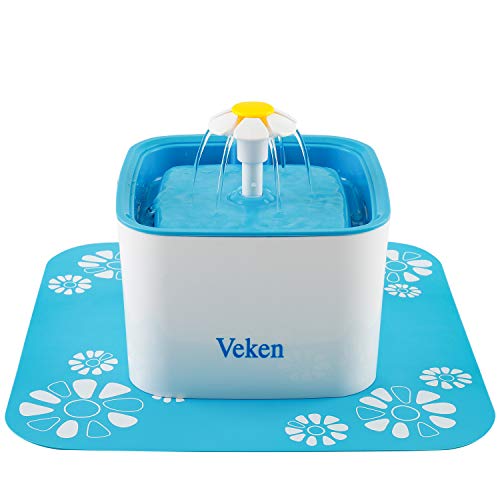
Veken Pet Fountain 84oz/2.5L Automatic Cat Water Fountain with 3 Replacement Filters & 1 Silicone Mat
The One Disadvantage of Ceramic You Should Know
Ceramic breaks if dropped. A stainless fountain knocked off a counter by an enthusiastic cat survives. A ceramic fountain doesn’t.
If your cats are physically active, prone to knocking things over, or the fountain is placed at an elevation they regularly jump to, factor in drop risk. Some ceramic fountains are very thick-walled and heavy — harder to knock over and more damage-resistant — but not unbreakable.
Additionally, check the glaze integrity on any ceramic fountain before use. Chipped or cracked glaze exposes the raw ceramic underneath, which is porous and will harbor bacteria in the same way plastic does. Replace any ceramic fountain with visible glaze damage.
The Pump Question (Applies to Both)
Both stainless steel and ceramic fountains typically use a plastic pump. The pump is where plastic contact still exists — it’s the one component both material categories don’t fully escape.
The pump requires the same cleaning attention regardless of the bowl material — biofilm forms in the pump regardless of whether the bowl is stainless or ceramic. Clean the pump as you would for any fountain: soak in diluted vinegar monthly, scrub the impeller channel, rinse thoroughly.
Frequently Asked Questions
Is there a significant price difference?
At the lower end, both categories start around $35–45. Premium models go higher in both categories. Price correlates more with size, flow features, and brand than with material itself. You won’t necessarily pay more for ceramic over stainless at the same quality tier.
My cat scratched the inside of my ceramic fountain. Is the water safe?
If the scratch penetrated the glaze and exposed raw ceramic, the scratched area can harbor bacteria. Whether the water is “safe” depends on the depth — superficial surface marks are generally fine; visible white exposed ceramic should prompt replacement of the affected part (often the bowl can be replaced without buying a whole new fountain).
I have hard water. Which material handles mineral scale better?
Both are equal in terms of scale resistance — scale forms from calcium in the water, not from the bowl material. However, scale is more visually obvious on stainless steel (white deposits against silver surface). Regular citric acid or white vinegar descaling is important for both.
Can I mix and match — stainless bowl with a ceramic pump housing?
Not typically — fountains are sold as integrated systems. However, some modular fountain brands sell individual component replacements. Check if the manufacturer offers separate bowl or pump replacements if long-term part replacement matters to you.
For current top-rated options in each category: Stainless Steel Fountain Rankings and Filtered Fountain Rankings.
This post contains affiliate links. We may earn a commission when you purchase through our links at no extra cost to you.