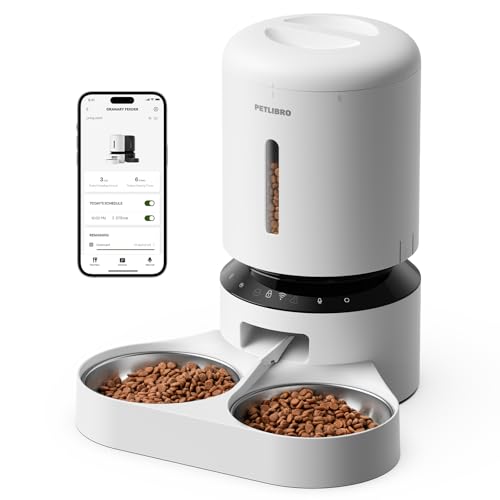
Find out everything you need to know about is an automatic cat feeder a good idea
We have all been there. It is 4:30 AM on a Sunday, and a cold, wet nose is pressed firmly against your eyelid. Your cat has decided it is breakfast time, and they are not taking no for an answer.
If you are tired of being woken up before the sun rises, or if you constantly worry about rushing home from work to feed your pet, you have likely wondered: are automatic cat feeders a good idea?
The short answer is yes—for most homes, they are an incredibly helpful addition to your daily routine. However, they are not a perfect, hands-off cure-all. Choosing the wrong model can lead to jammed dispensers, hungry cats, or a giant mess on your kitchen floor. We tested various models with our own resident cats to find out where these gadgets shine and where they fall short.
The Real Benefits of Going Automatic
For many cat owners, switching to an automated schedule does more than just let them sleep in. Here are the biggest advantages we noticed during our hands-on testing.
1. No More Early Morning Wake-Up Calls
Cats thrive on routine. When they learn that you are the source of food, they will harass you until you deliver. When you transition to an automatic feeder, your cat quickly learns to associate the machine—not your face—with breakfast. Within a couple of weeks, most cats stop begging at your bedside and simply wait patiently by the dispenser.
2. Precise Weight Management
Obesity is a major health issue for indoor cats. It is incredibly easy to overfeed when you are eyeballing scoops of kibble. Automatic feeders dispense exact, measured portions down to the tablespoon. If your vet wants your cat on a strict diet, these machines take the guesswork out of portion control.
3. Peace of Mind During Long Days
If you work long hours or travel occasionally for weekend trips, you do not have to worry about your cat missing a meal. You can rest easy knowing they are getting fed on time, every time, without needing to hire a pet sitter for a quick overnight stay.
The Downsides No One Tells You About
While we love the convenience, automatic feeders are not without their flaws. Before you buy, consider these common frustrations.
- The Cleaning Hassle: Some feeders have complex internal parts that are incredibly difficult to take apart and wash. If you do not clean the hopper and bowl regularly, leftover food oils can go rancid, leading to bacteria growth and feline acne.
- The “Smart” Tech Headache: Wi-Fi-enabled feeders are great when they work, but a dropped internet connection or a buggy app can occasionally disrupt the feeding schedule.
- Dry Food Only: The vast majority of standard automatic feeders only work with dry kibble. If your cat is on an all-wet-food diet for urinary tract health or hydration, your options are much more limited and require ice-pack-cooled rotating trays.
What to Look For When Shopping
If you decide to take the plunge, do not just buy the cheapest option on the shelf. Look for these key features to ensure you get a model that actually works.
| Feature | Why It Matters | Our Recommendation |
|---|---|---|
| Power Backup | Keeps the feeder running during a power outage. | Look for models with both a wall plug and a battery backup option. |
| Bowl Material | Plastic bowls scratch easily and harbor bacteria, causing chin acne. | Choose stainless steel or ceramic bowls. |
| Secure Lid | Determined cats will try to pry, tip, or shake food out of the hopper. | Opt for a latching lid and a hidden dispensing chute. |
Frequently Asked Questions
Can I use an automatic feeder for multiple cats?
Yes, but it can be tricky. If you have one cat who steals food from the other, a standard feeder won’t work. In multi-cat homes, we recommend microchip-activated feeders that only open for a specific cat’s registered ID.
Do these feeders replace human interaction?
Absolutely not. While they handle the mechanical task of dispensing food, they do not replace the bonding experience of living with a cat. We recommend using the feeder for breakfast and midday snacks, while still feeding them wet food or treats by hand in the evening.
How often do I need to clean the feeder?
You should wash the bowl at least once a week, and thoroughly clean the food hopper every time you refill it with a new bag of dry food.
Our Verdict
If you struggle with an early-rising cat or need help keeping your pet’s weight on track, an automatic feeder is an excellent investment. Just be sure to choose a model with a battery backup and a stainless steel bowl, and remember to keep up with regular cleanings to keep your feline friend happy and healthy.
This post contains affiliate links. We may earn a commission when you purchase through our links at no extra cost to you.