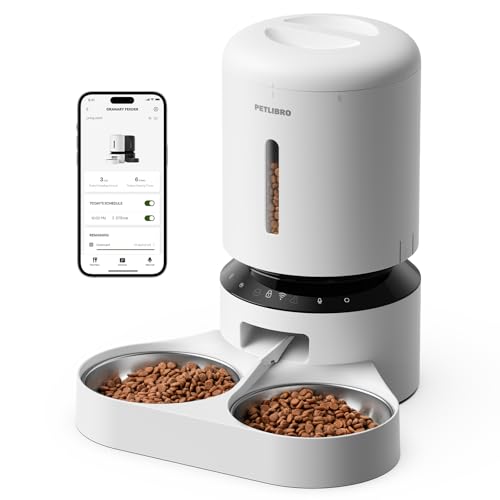
A power outage during a scheduled meal isn't just inconvenient — for diabetic cats or strict diet plans, it's a medical issue. We break down which feeders have real backup power and which ones just claim to.

Why Power Backup Matters More Than You Think
A one-hour outage at 6am means your cat misses breakfast. That’s inconvenient.
For a diabetic cat on an insulin schedule, a missed or delayed meal paired with a scheduled insulin injection is a genuine medical emergency — hypoglycemia can be life-threatening.
For cats on strict portion control for weight management, an outage that resets the feeder to factory settings means an unscheduled extra-large meal — then owner confusion about why the schedule seems off.
Even for healthy cats, a feeder that resets its memory during a power event means you come home to a device displaying the wrong time — and the cat has been fed on a completely wrong schedule for hours or days.
Battery backup in a cat feeder serves three functions:
- Continues dispensing meals during an outage
- Preserves schedule memory when power is restored
- Provides a complete fallback system if the DC adapter fails or is unplugged accidentally
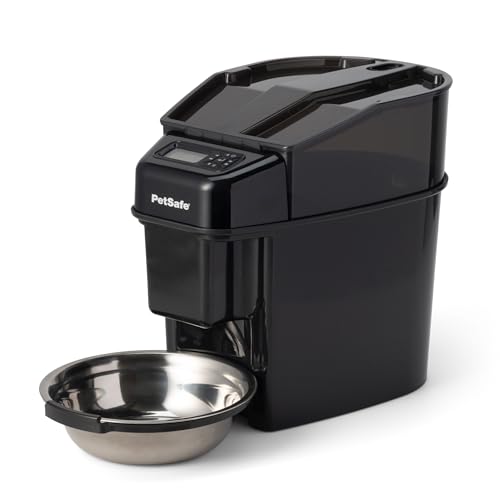
PetSafe Healthy Pet Simply Feed Automatic Feeder for Cats and Dogs, 24 Cups
The Difference Between “Battery Operated” and “Battery Backup”
This distinction matters enormously and is frequently confused in product listings and reviews.
Battery operated: The feeder runs exclusively on batteries. When batteries die (often 4–8 weeks), the feeder stops. No AC adapter option. This is common in cheap feeders and is not what you want.
Dual power with battery backup: The feeder runs on a DC adapter (plugged in) as its primary power source. Batteries serve only as backup when the adapter loses power. Batteries last much longer because they’re almost never drawing power — only during outages. This is what you want.
Battery memory backup only: A few feeders use batteries solely to preserve the clock and schedule during outages — the motor itself stops, so no meals dispense during an outage, but your schedule is intact when power returns. This is better than nothing, but not ideal.
When reading product listings, look for specific language like “continues feeding during power outages” or “backup power for dispensing.” “Battery included” or “battery powered” without that language often means memory-only backup.
Which Feeder Types Offer the Best Power Backup?
Timed Portion-Control Feeders (Strongest Backup Options)
This category has the most reliable battery backup implementations. The top models in our rankings include:
- Models using 3 × D-cell batteries for backup — D-cells can power a feeder motor for 30+ days of dispensing, providing a very long safety window.
- Models using 4 × AA batteries — more common, lighter, but shorter backup duration (7–14 days of actual dispensing, depending on meal frequency).
The key spec to check: how many backup meals can the batteries power? Better manufacturers state this explicitly. Look for “powers 30+ days of backup” or similar.
See timed feeder rankings with backup power specifications
App-Controlled Feeders (Backup Varies Widely by Brand)
App feeders add complexity: even if the battery backup powers the motor, some cloud-dependent features stop working without internet. The critical question is: does the feeder continue its saved local schedule when offline?
Some app feeders store the schedule locally on the device and run it independently — power-outage safe. Others require a cloud connection to dispense — no internet means no meals even if power is restored.
Before buying an app feeder for power-outage safety, specifically search reviews for “schedule offline” or “outage” to confirm which behavior your target model has.
App-controlled feeder rankings and reliability data
Setup Recommendations for Power-Resilient Feeding
Use high-quality alkaline batteries for backup, not rechargeable NiMH: NiMH batteries self-discharge over time. Backup batteries sit unused for months — when you need them, NiMH batteries may be at 30% capacity. Alkaline batteries hold their charge in storage far better.
Replace backup batteries annually, not when they fail: Don’t wait for a dead battery indicator. Fresh backup batteries are insurance — replace them on a fixed schedule (New Year’s Day, for example) so you’re never caught out.
Test your backup power intentionally: Unplug the AC adapter and run through 2–3 scheduled meal cycles on battery alone, before you need this feature in a real outage. Some feeders have a subtle bug where the first meal after switching to battery is slightly delayed or skipped.
Don’t store the feeder near a GFCI outlet: GFCI outlets trip more frequently than standard outlets. If your feeder is plugged into a bathroom or kitchen GFCI outlet, it may trip on a routine current fluctuation — unrelated to a whole-home outage — and your cat misses meals.
Special Cases: Diabetic Cats
For cats on insulin therapy, meal timing is not a preference — it’s a medical protocol. Every insulin injection is calibrated to a specific meal. If the meal doesn’t happen on schedule, the injection shouldn’t either.
For diabetic cats, the required features are:
- True battery backup (not memory-only)
- Audible alarm if the hopper is empty
- App notification if a meal is missed (available on most app feeders)
If possible, pair the feeder with a low-cost smart plug that sends you a notification when power to the outlet is interrupted — this gives you a warning before the first missed meal during a long outage.
Frequently Asked Questions
How long do backup batteries typically last during an outage?
Depends heavily on meal frequency and battery type. With 4 × AA alkaline batteries and 4 meals per day, most feeders run 7–14 days on backup alone. With D-cell batteries, some models run 30+ days. Check your model’s spec sheet.
My feeder resets to the wrong time after every outage. How do I fix this?
This means your feeder has only memory backup (preserves time) but the time reset is caused by batteries being too weak to maintain the clock. Try fresh alkaline batteries in the backup slot. If the problem persists, your backup batteries may be in the wrong battery type for long-term clock maintenance — contact the manufacturer.
Can I use a UPS (battery backup power supply) instead of feeder batteries?
Yes, and for diabetic cats this is actually the most reliable solution. A small UPS ($30–50) plugged into the outlet and the feeder into the UPS provides true extended power backup — hours to days depending on UPS capacity — without any reliance on the feeder’s internal battery system.
My feeder works fine but I have a generator for outages. Do I still need battery backup in the feeder?
If your generator starts automatically and powers your household within seconds, a memory-only battery backup is probably sufficient. If your generator requires manual start or takes more than 2 minutes to come online, full battery backup in the feeder is still recommended for that gap window.
Compare current top feeders by backup power reliability: Timed Auto Feeder Rankings. For remote monitoring during outages, App Feeder Rankings.
This post contains affiliate links. We may earn a commission when you purchase through our links at no extra cost to you.